FORUM 74 2/2026
Pro čtenáře FORUM nabízíme k prolistování kompletní archiv čísel ve formátu PDF. Těšíme se na Vaše podněty pro další témata našeho časopisu.
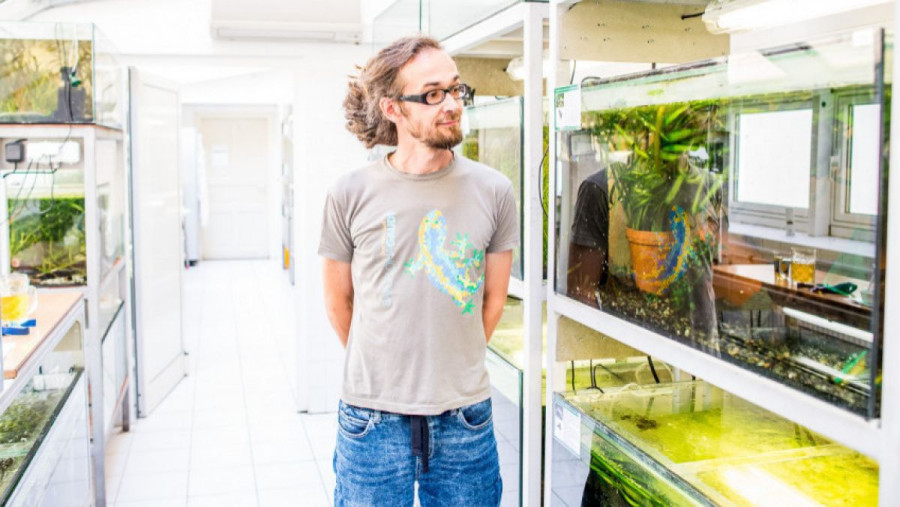
„Charakterizují ho dredy a zápal pro evoluční a vývojovou biologii. Je velmi inteligentní a má hodně načteno – umí si spojit různé věci a do týmu vybrat ty nejlepší lidi,” říká o Robertu Černému jeho kolega Peter Fabian. Společně stojí za článkem o studiu adenohypofýzy v časopise Science.
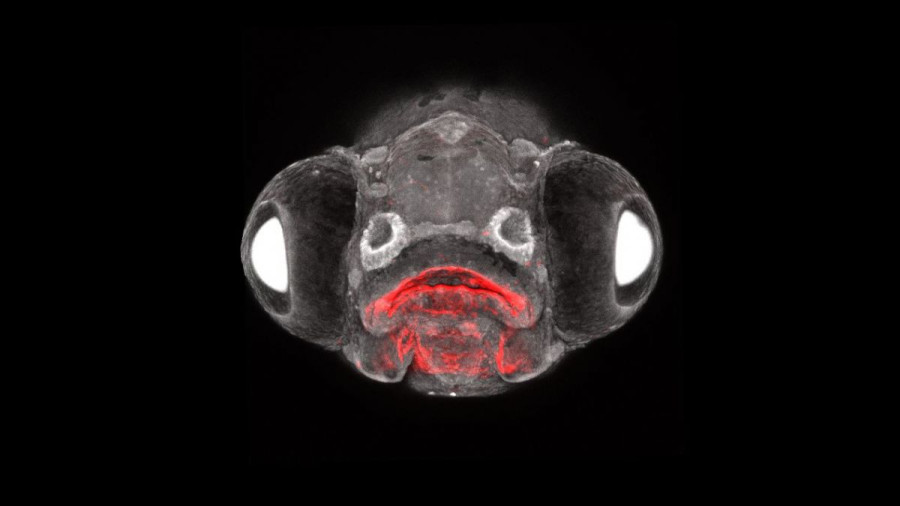
„Pro takové objevy musíte mít jednak štěstí, a hlavně musíte být připravený a schopný je vidět. A já jsem byl,“ říká Peter Fabian z University of Southern California. Je prvoautorem vědecké studie, která vyšla v Science - spolu s kolegy se mu podařilo odhalit evoluční původ adenohypofýzy.
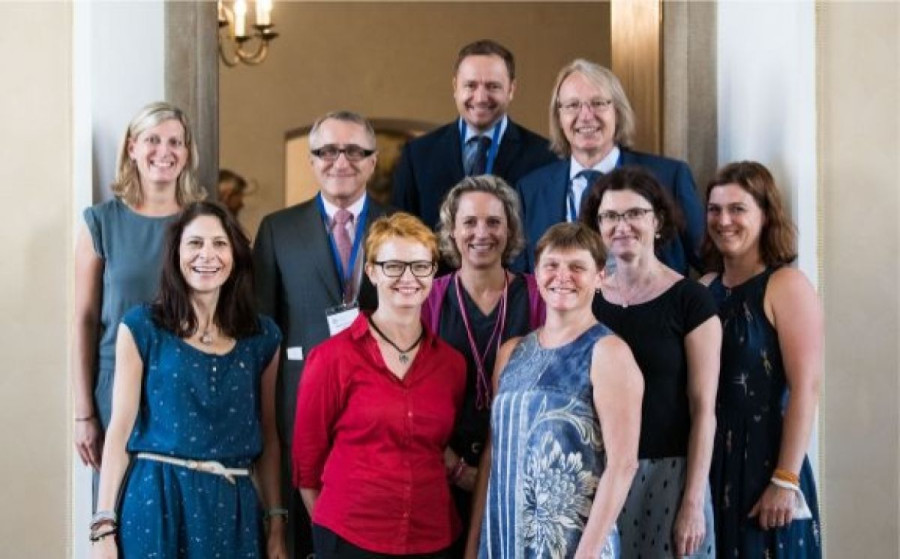
For 30 years Professor Stanislav Kmoch has devoted himself to the research of rare diseases; during the coronavirus pandemic, his laboratory was able to apply significant know-how in the development of new diagnostic kits for the detection of Covid-19.
A number of deadly viruses are believed to have originated in bats, including Ebola and the original SARS. The indications are that the novel coronavirus SARS-Cov-2 also made the jump from bats, most likely through an intermediary species.
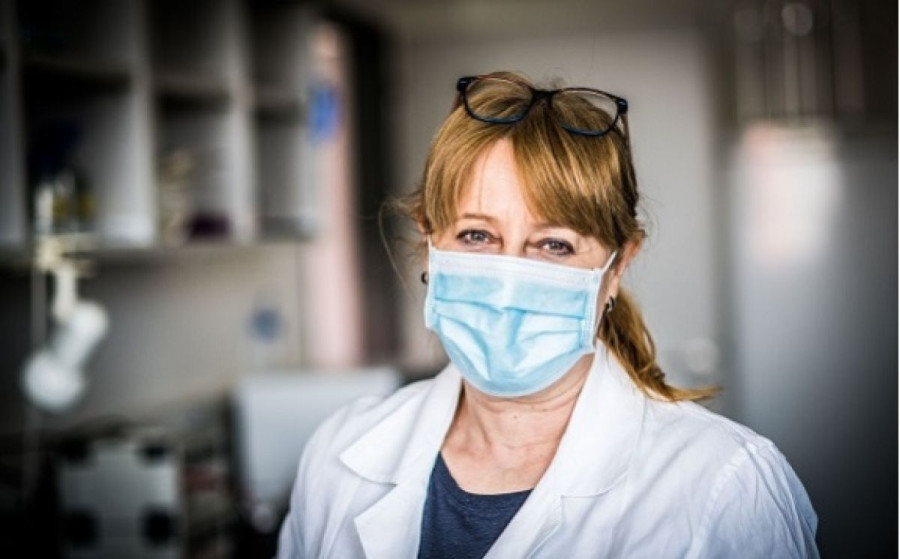
f the novel coronavirus had never hit, Ruth Tachezy would have been doing other things: applying for funding, heading a national reference laboratory, and publishing. She would have been helping her students at the Faculty of Science and would have been preparing for an upcoming conference and a mountaineering vacation. Instead, she opted to tackle a higher “mountain”.
“I have actually never done anything else,” is how Marek Stibal, who has been studying biological processes in glacial ecosystems for almost 20 years.

A team of scientists from the Institute for Democracy & Economic Analysis (IDEA) has offered its expertise to try and curb the negative economic impact of coronavirus pandemic.
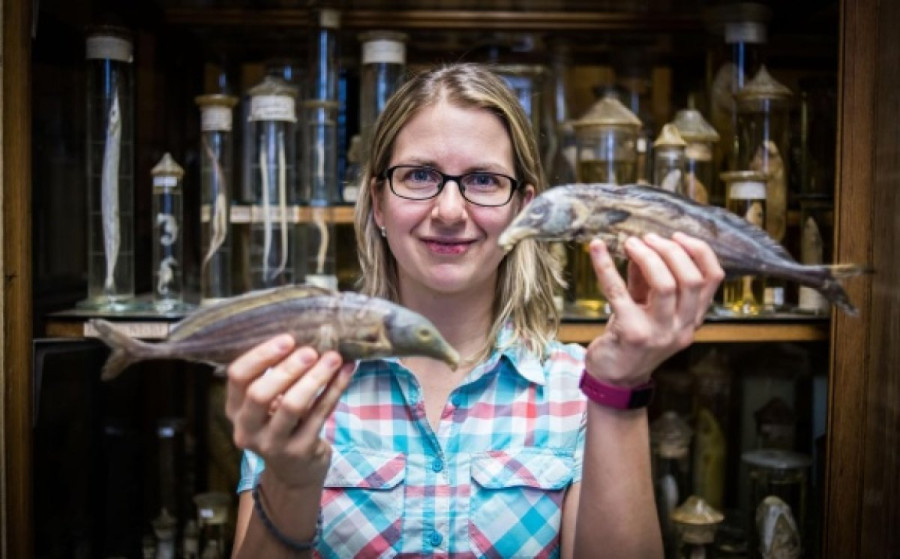
„Doporučuji měnit týmy v každém stupni studia, ideálně vyrazit na zahraniční zkušenost,“ říká Zuzana Musilová z Přírodovědecké fakulty UK, jejíž výzkum ryb ozdobil obálku časopisu Science...
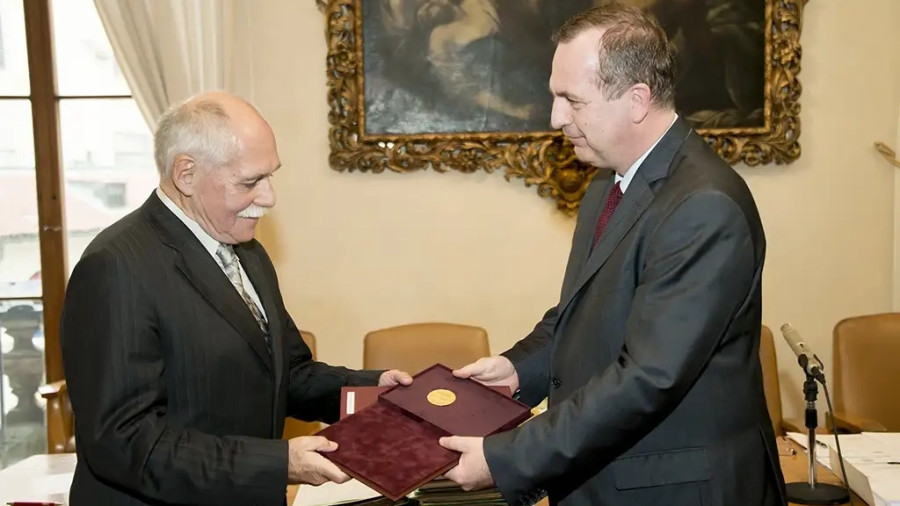
Eight scientists – three of them from Charles University – received Neuron Awards at an official ceremony at the National Museum this week.
Earlier this month, the UN’s Intergovernmental Panel on Climate Change released its Special Report on Climate Change and Land, mapping the state of the environment. The report focussed specifically on terrestrial ecosystems and how they are acted upon by - and at the same time contribute to - global warming.
He is a student at the Faculty of Science’s Department of Geography and is extremely intelligent. As in off the charts: an IQ of 160+. Radek Pileček. A young man known for having cast doubt on elections results and who came in second in the ‘Smartest Czech’ competition.
The moon has fascinated us for most of recorded history: a guiding light on dark seas, a sacred disk illuminating the heavens, a symbol of the unattainable, a god. For most of human existence, its stark, cratered surface remained impossibly beyond reach. All that changed 50 years ago, on July 20, 1969. As some 500 million people watched a live televised broadcast (the largest ever TV audience at the time), the commander of the Apollo 11 mission Neil Armstrong emerged from the Lunar Module called the Eagle and – in his NASA spacesuit - became the first man in history to step onto the Moon’s dusty surface.
Few doubt the importance of social and technological innovation projects; in a period of ever-evolving playing fields or shifting sands, it is more important than ever that good ideas don’t fall the wayside.
It has been more than three years since scientists used the LIGO system or Laser Interferometer Gravitational-Wave Observatory for the first time in history directly observe gravitational waves. The stunning discovery confirmed predictions Albert Einstein made with his theory of general relativity almost a hundred years earlier.
Monday saw the start of a two-day meeting of Charles University’s International Advisory Board (IAB) Meeting evaluating research and future progress at the institution on a number of different fronts. On the agenda, for example, were the university’s Primus program for funding exceptional young scientists as well as the work and progress of individual faculties. ...
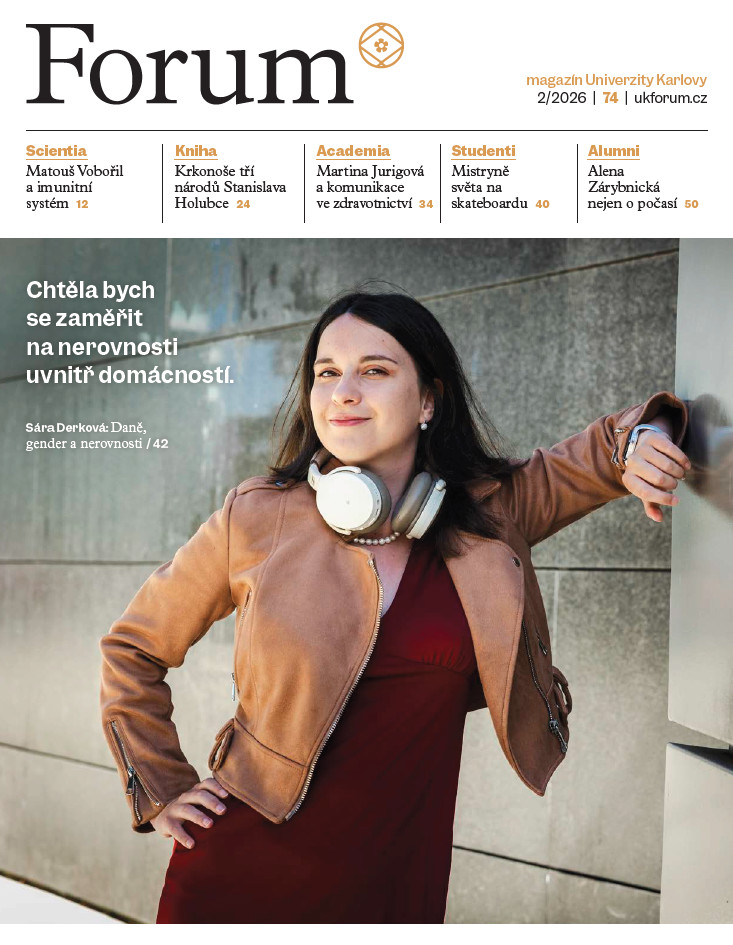
Pro čtenáře FORUM nabízíme k prolistování kompletní archiv čísel ve formátu PDF. Těšíme se na Vaše podněty pro další témata našeho časopisu.
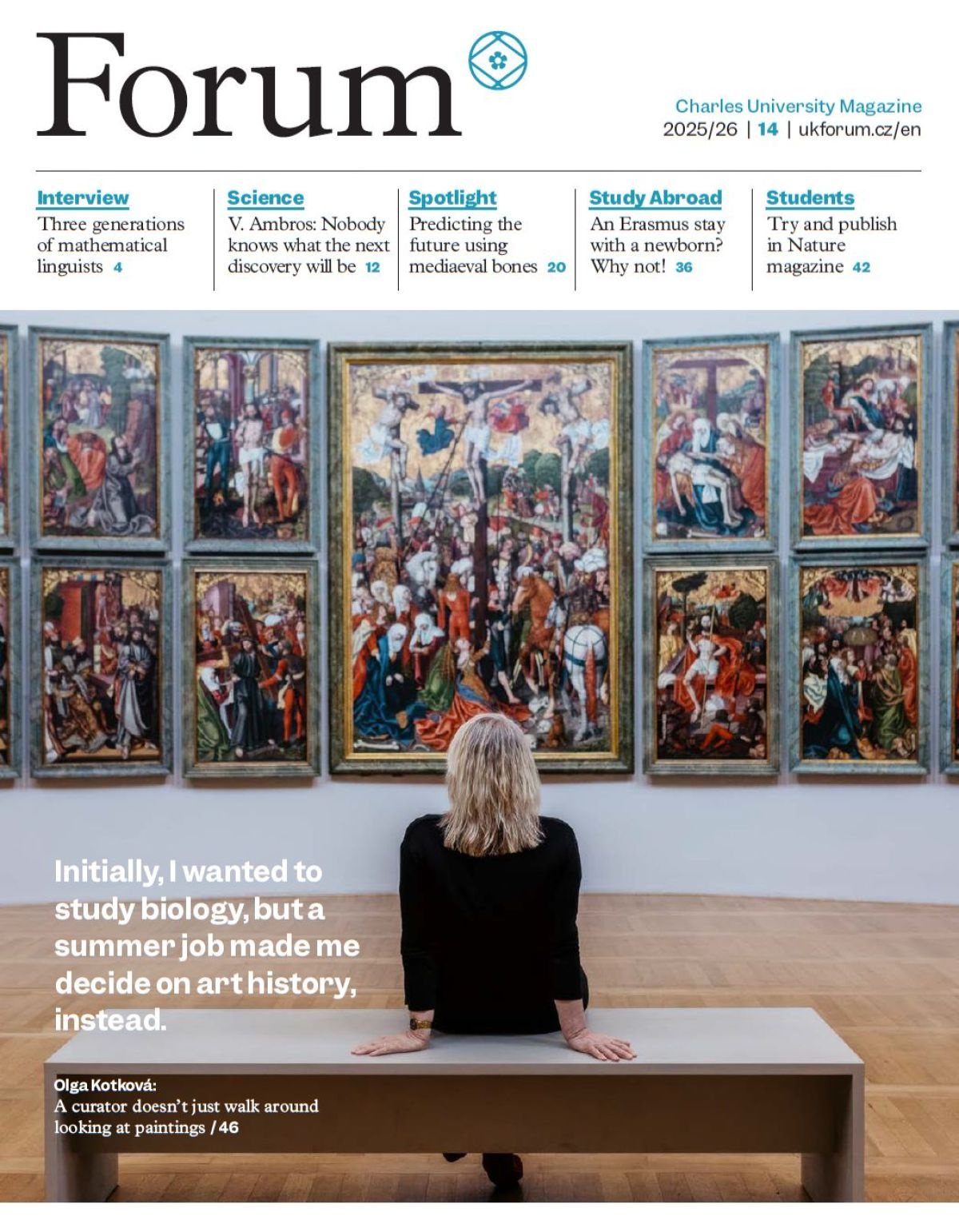
Readers of FORUM EN can read the latest issue or older ones in our complete online archive.