FORUM 74 2/2026
Pro čtenáře FORUM nabízíme k prolistování kompletní archiv čísel ve formátu PDF. Těšíme se na Vaše podněty pro další témata našeho časopisu.
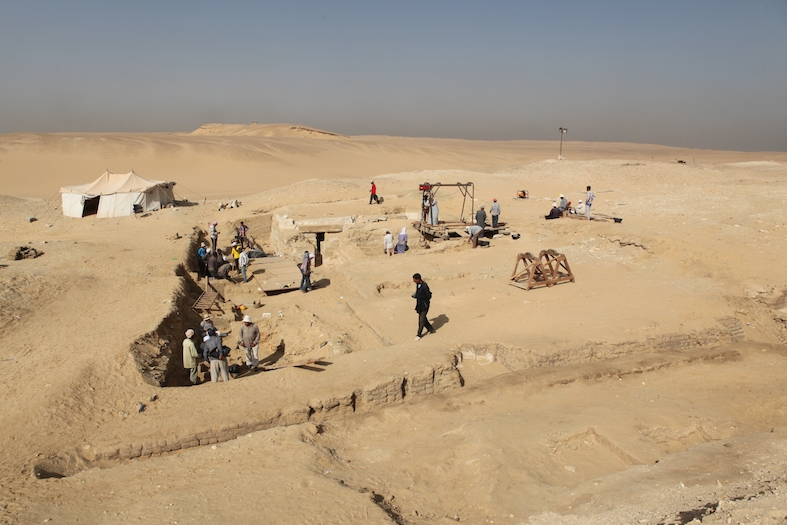
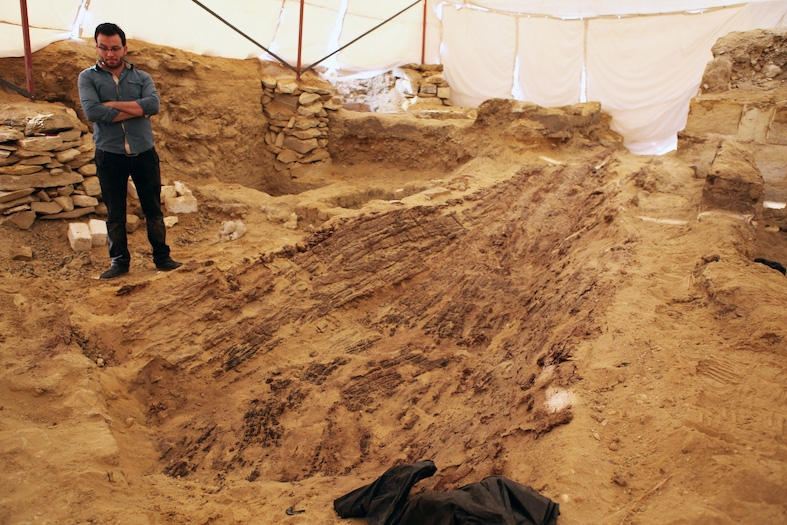
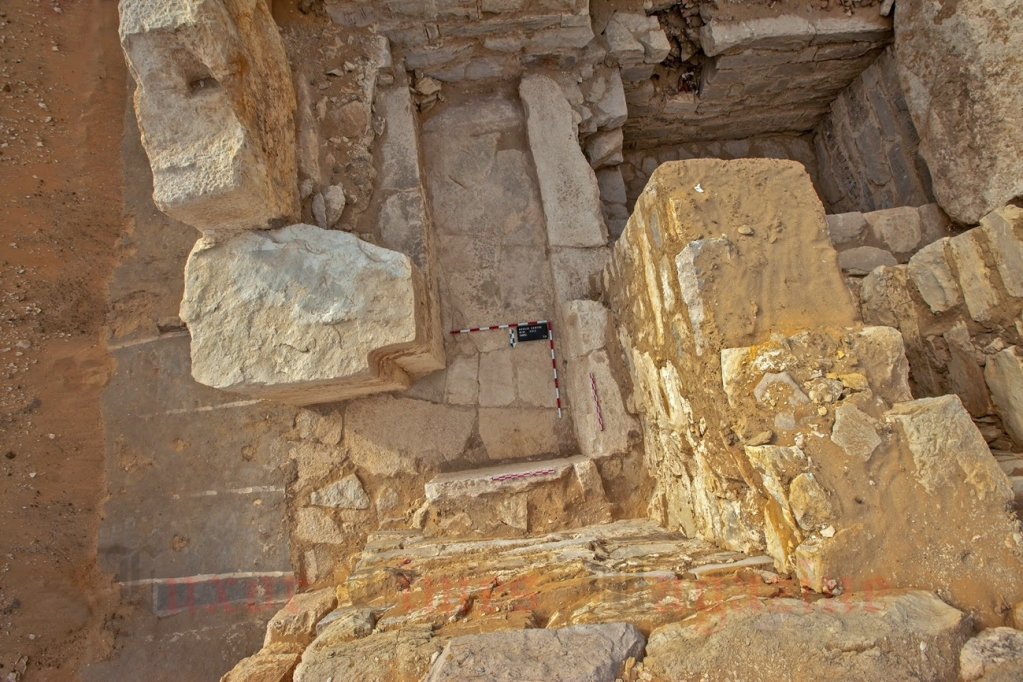
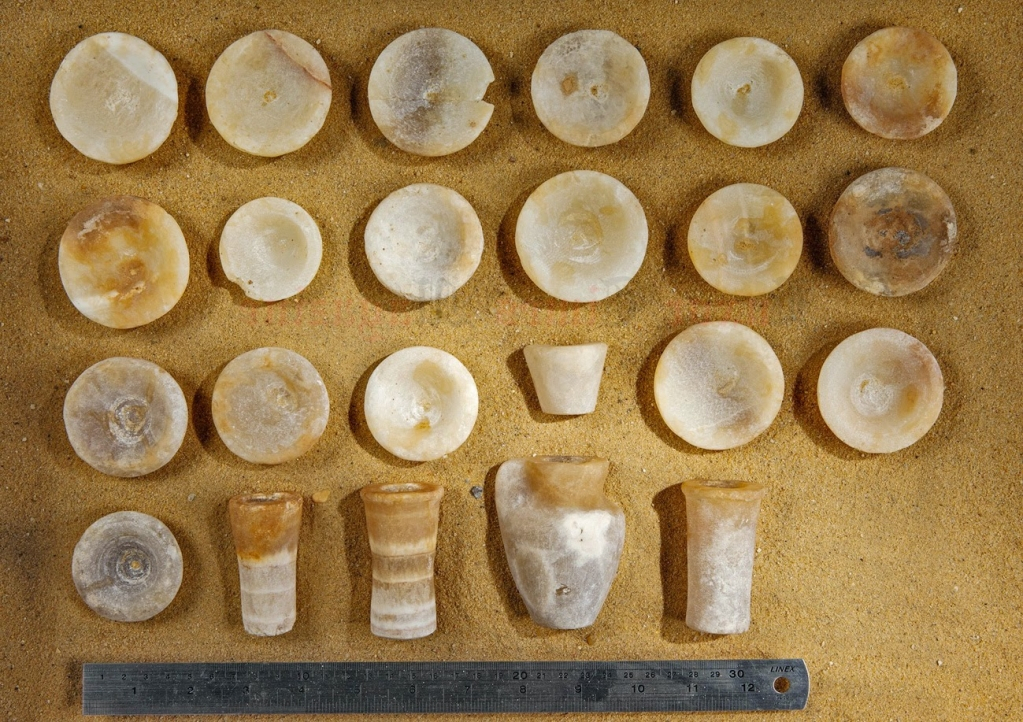
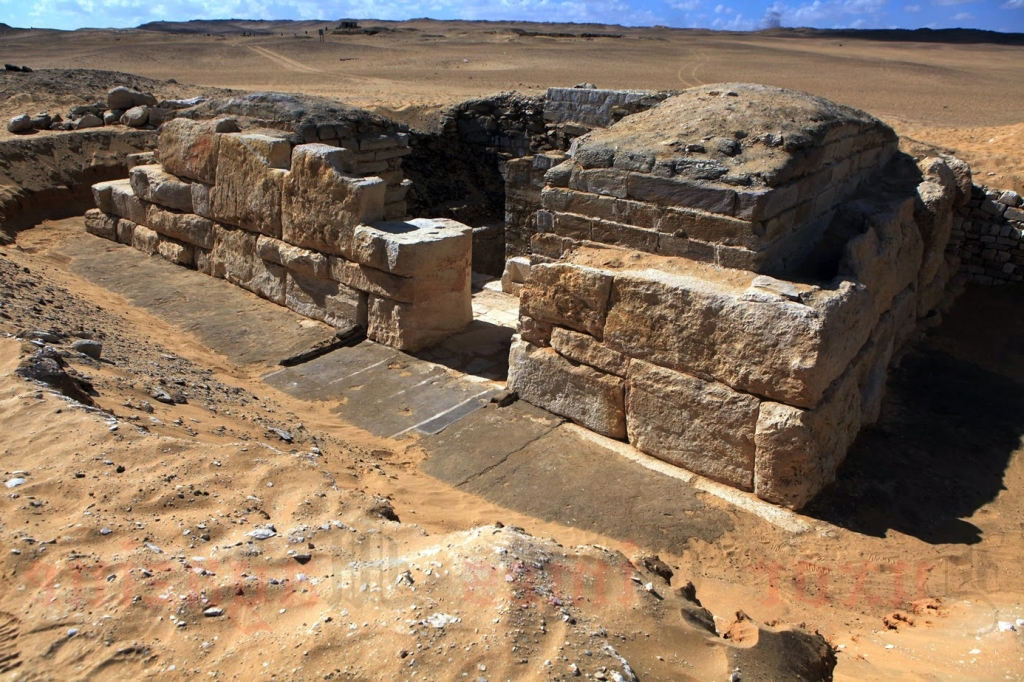
The mission of the Czech Institute of Egyptology, Faculty of Arts, Charles University in Prague has recently made an unexpected discovery at Abusir South that once again highlights the importance of this cemetery of the Old Kingdom officials.

On the 15th to the 16th of December the Institute of Classical Archaeology of the Faculty of Arts held the 3rd international postgraduate conference “Perspectives of Classical Archaeology” (“PEKLA”) at Charles University in Prague.

‘Technological symbolism in Putin's Russia: is there a continuity with Soviet icons?' This is the question Paul Josephson (Colby College, Maine) posed to us as he began his lecture in the Faculty of Arts on the 12th November.

When we think about archaeology in Italy, we automatically think about Pompeii and Herculaneum. It is the defined topic in schools, the basis of TV programmes, books and films, it is what the media will dedicate some tiny article to at the back of their newspaper. But, as Dr Girolamo Ferdinando de Simone’s lecture on: ‘The Dark Side of Vesuvius: Archaeology beyond Pompeii and Herculaneum‘ demonstrated to me, there is a whole territory undiscovered and unknown, a mystery about to be unravelled by de Simone and his team.
The pyramid necropolis at Abusir (EAR), which the Czech Institute of Egyptology, Faculty of Arts, Charles University has been excavating for almost 55 years, proved once again that it is one of the most important sites in Egypt. During autumn, members of the Czech Mission explored a tomb, which is part of a small cemetery to the south of the funerary complex of King Raneferef. In the cemetery, members of the court elite of the middle of the Fifth Dynasty (about 2450 B.C.) were buried.

We all know about Medieval Literature, don’t we? We know about Knights in Shining Armour, and Damsels in Distress. We know about the struggle two-thirds of the way through the plot for said Knight to prove plucky, make like a hero, and rescue the biddable babe (as still witness in almost all Hollywood Rom-Coms). We know about this. We know about Princesses in towers, locked up by evil witchy-types, but also bawdy Wife-Of-Bath-types, and Pious Pilgrims.

From Thursday the 20th November to Sunday the 23rd November, the Faculty of Physical Education and Sport of Charles University played host to the 7th International Mountain and Outdoor Sports Conference. The event was organised by the Department of Turistika, Outdoor Sports and Outdoor Education and saw experts from departments of outdoor sports in universities all over the world come to Prague to share their work and experiences with like-minded individuals. Outdoor sports enthusiasts and students alike were also present.
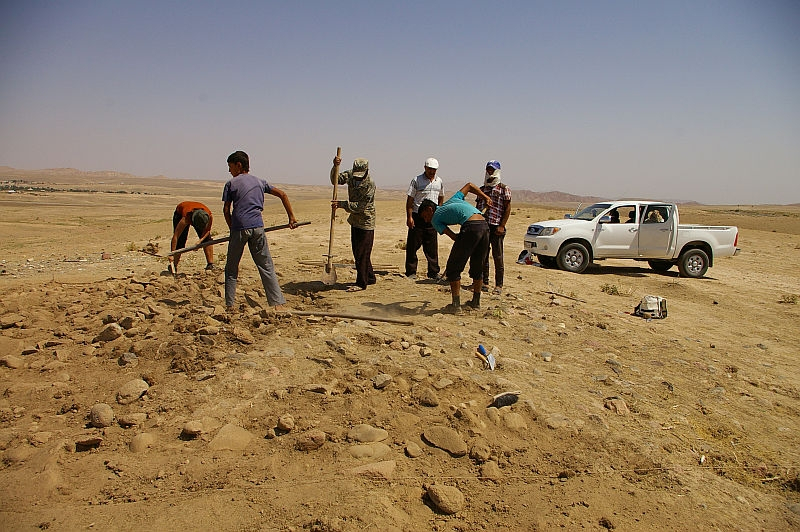
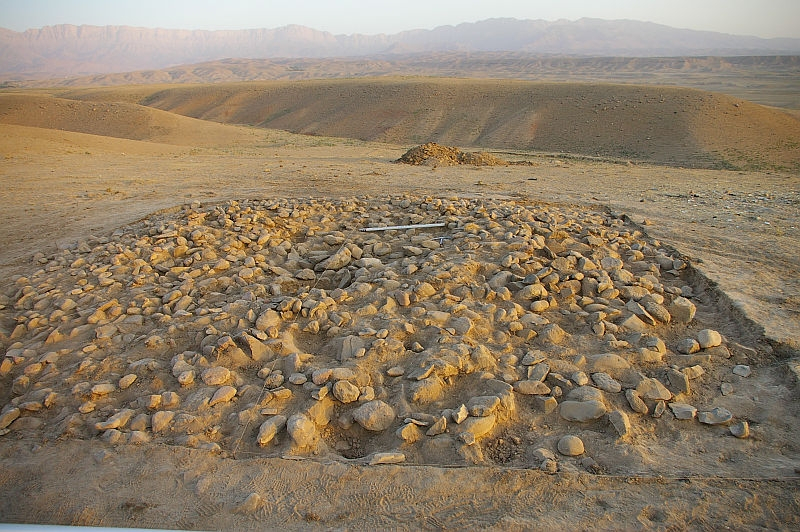
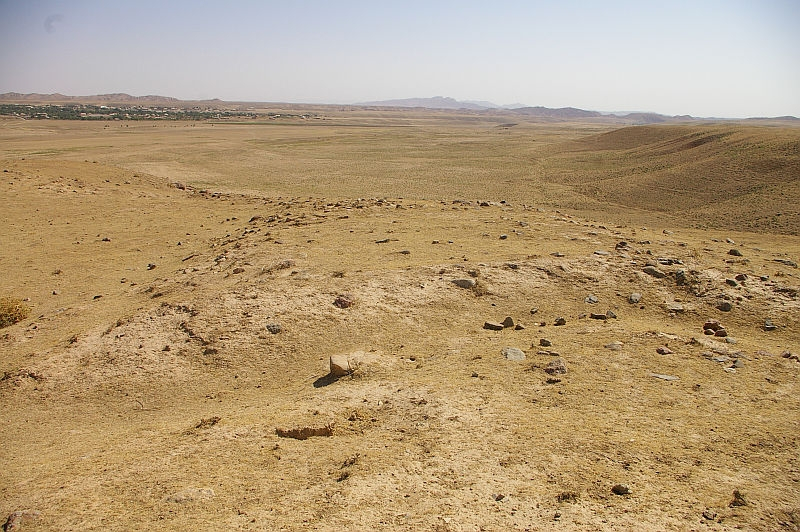
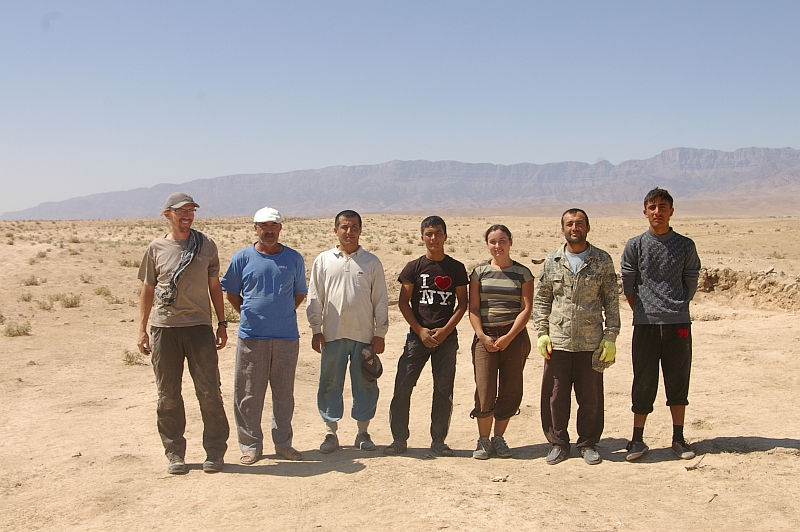
When a team of three researchers of the Institute of Classical Archaeology, CU FA set off for the Paschurt Valley, their initial plan was to inspect kurgans, funeral barrows typical of steppe cultures. A discovery they made in a nearby site meant a complete change of their plans. What they discovered was settlements dating back to the Iron and Bronze Ages, including a well-preserved irrigation system.

On Thursday, November 6, the Faculty of Arts of Charles University hosted a lecture by Professor John C. Lennox, Professor of Mathematics and Philosophy of Science in Oxford University, titled “Has Science Buried God?” The vast interest in this topic was clear from the moment I arrived at the venue in the Faculty of Arts main building.

From a young age I have had an avid interest in the big events of the past hundred years. For reasons that don’t need stating, it’s quite obvious that the Great War was one of those events. The international conference “Climax or Beginning? Modernity, Central Europe and the Great War” held in Prague by the Faculty of Arts, Charles University on the 24th and 25th of October was thus truly fascinating, and I relished the opportunity to attend.

One topic that is closely followed by ecologists is the spontaneous spread of non-native species in the countryside. Amongst the most well-known of these in the Czech Republic is the black locust tree or bush, which in some areas creates unbroken, impenetrable ‘forests’, destroying the original vegetation. Dr. Jiří Reif and his team from the CU Faculty of Science are currently starting a new study which aims to clarify the effect that invasive plants have on birdlife in the Czech Republic.

Unfortunately, we don’t know if Egyptians in love exchanged presents on special occasions; on the other hand, we have a relatively good idea of how Ancient Egyptian marriages worked. PhDr. Hana Vymazalová, Ph.D., of the Czech Institute of Egyptology of the CU Faculty of Arts, told us more.

“The Collegium Europaeum is an open community of researchers from Charles University and the Academy of Sciences of the Czech Republic,” says PhDr. Petr Hlaváček, Ph.D., founder and coordinator of the Collegium Europaeum research group. Last year the Collegium presented to the public a new book entitled Vytěsněná elita (‘The Displaced Elite’) and this year it plans to start publishing a specialist journal entitled Vertigo.

Having first travelled to the Altai Republic, a land in the middle of Siberia with wild landscape and idiosyncratic inhabitants, Mgr. Luděk Brož, M.Phil., Ph.D. was so enchanted by the genius loci and culture of the region that he abandoned his chemistry studies and became a social anthropologist.

Following a number of anti-Roma marches at the end of summer, associate professor Kristina Koldinská from the Department of Labour and Social Security Law of the CU Faculty of Law lost patience.
Pro čtenáře FORUM nabízíme k prolistování kompletní archiv čísel ve formátu PDF. Těšíme se na Vaše podněty pro další témata našeho časopisu.
Readers of FORUM EN can read the latest issue or older ones in our complete online archive.